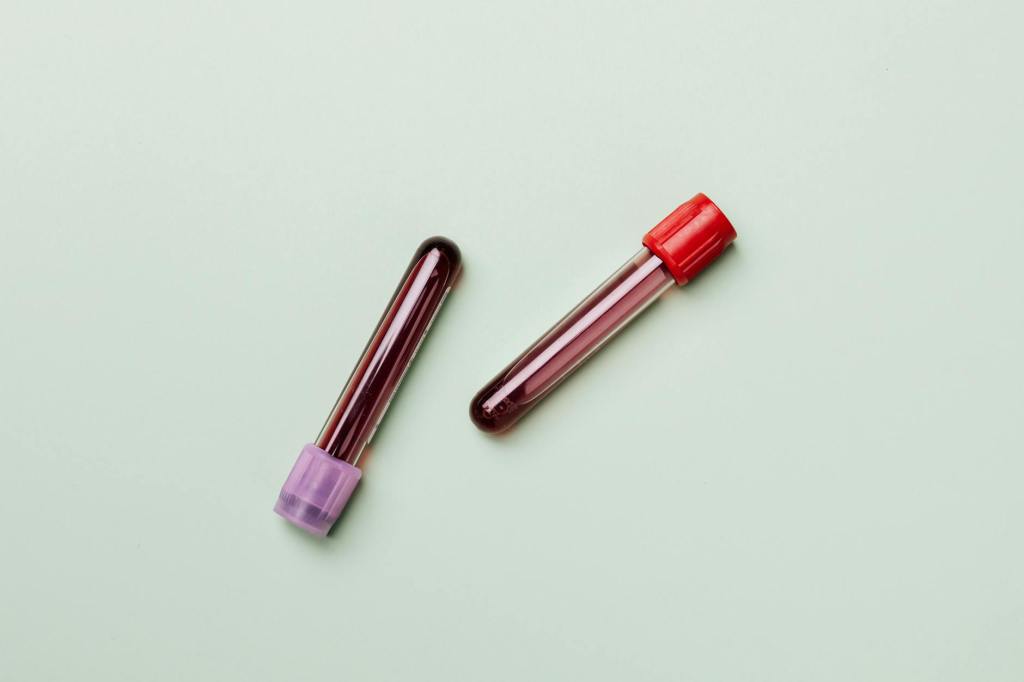
There are several different lab tests that one can request in order to get a better picture of your health especially those experiencing metabolic dysfunction or chronic illness. When you look at the results of these 5 different labs and another body measurement that you can take right from your home, they will give you a great idea of what is happening inside your body. The great news about these tests is that they are all common and relatively inexpensive ones that you should get 1 to 2 times a year.
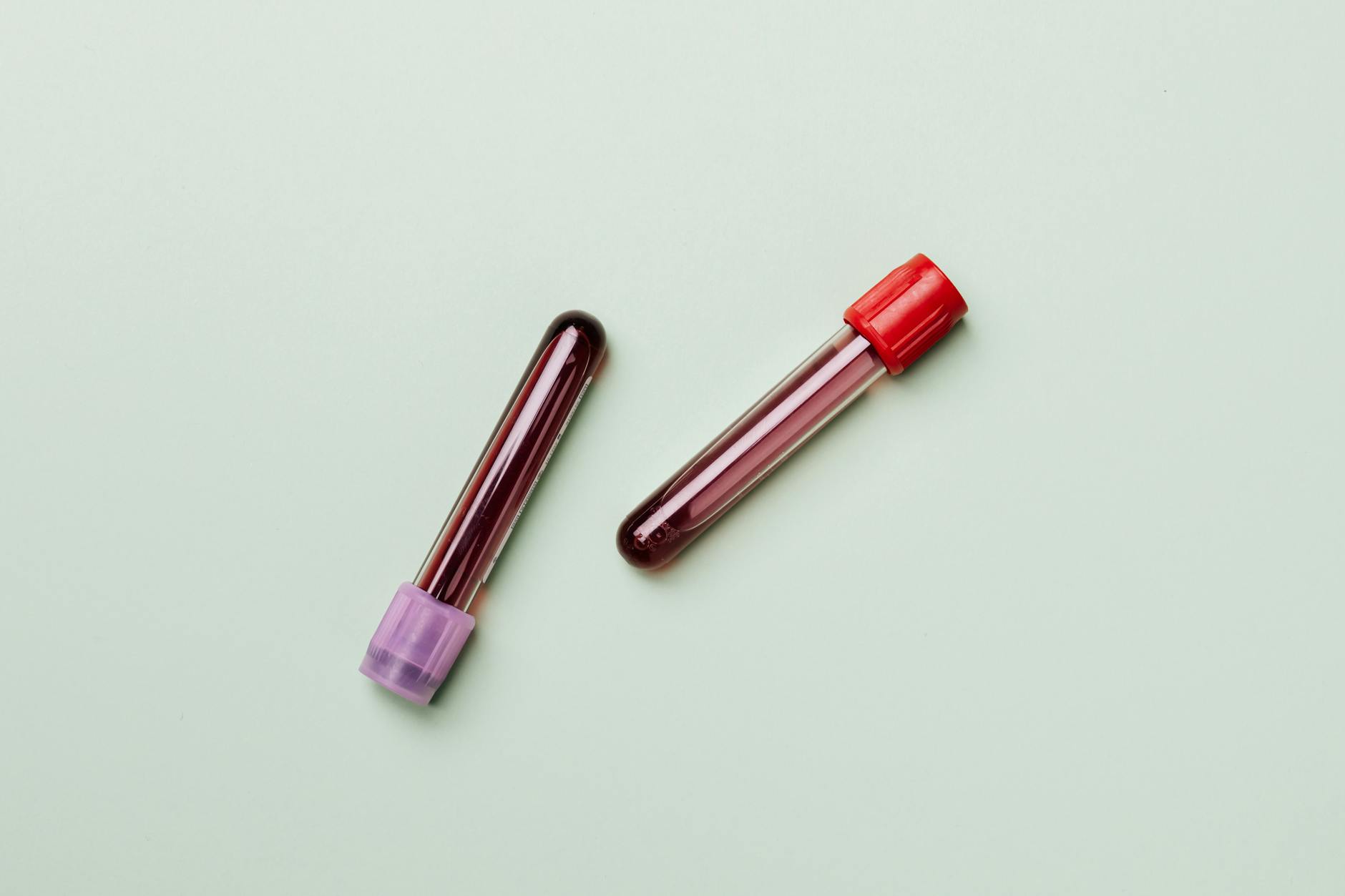
The first test is the fasting glucose which measures the sugar in your blood. It is a simple way to figure out if you are prediabetic or have diabetes. A healthcare provider will simple prick your finer or use a needle to draw blood from a vein in your arm. It is important that you not eat or drink anything (with the exception of water) for 8 to 12 hours before your test. Optimal levels are 80-100.
The second test is the hemoglobin A1C (HbA1C) shows what your average glucose level was over the past 2 to 3 months. It shows the percentage of your red blood cells that have hemoglobin that is covered in glucose. It is also a screener for Type 2 diabetes and Prediabetes. The test is simply a blood drawn from a vein in your arm. Optimal levels are 4.1-5.7%.
The third test is the triglyceride level which if you have a high level of these in your blood, might signal that you have an increased chance of having a stroke, a heart attack, or that you may have heart disease. This test will be part of the cholesterol test or lipid panel that your doctor can request. It is also a blood test and is one that you will have to not eat or drink anything for 8 to 12 hours. Optimal levels are 70-110.
The fourth test is the HDL Cholesterol level. HDL is known as the “good” cholesterol because it picks up the extra cholesterol in your blood and sends it to the liver where it is the removed from the body. High levels of HDL signify that you are at a much lower risk of developing heart disease. Optimal levels are less than 55.
The fifth test is the testing of your blood pressure which measures the pressure in the arteries as the heart pumps the blood in and out of the heart. This is a test that is routinely done while giving blood, at the dentist or other health checkups, and can even be done from the comfort of your own home. Normal blood pressure is 120/80.
Another test that you can perform at home is your waist circumference. To measure your waist correctly, stand and place a tape measure around your middle- just above your hipbones. Take the measurement just after you breath out. By measuring your waist circumference, this is a good measurement of the amount of belly fat that you have that is inflammatory. Standard measurements are women with a measurement of greater than 35 inches and men with a measurement of greater than 40 inches are at a higher risk for heart disease and type 2 diabetes.
These blood tests are generally inexpensive and covered by insurance. If your levels are within the optimal range, this shows that your body is metabolically on track! If you are above the normal/optimal ranges, you just have some work that needs to be done in regards to nutrition, movement, and supplementation.
Have you had your levels checked recently?
 Snow Farms Holistic Wellness
Leave a comment