
I am continuing this talk from Tuesday (if you missed the first post here is a link to read Part One) about the kinds of labs that you can ask your doctor or other health practitioner for that will be awesome markers of your current health. The next set of labs are important but you might have to pay a bit out of pocket ($100-$200) for them although these tests are still incredibly helpful information in order to figure out your current health level. Let’s dive in below!
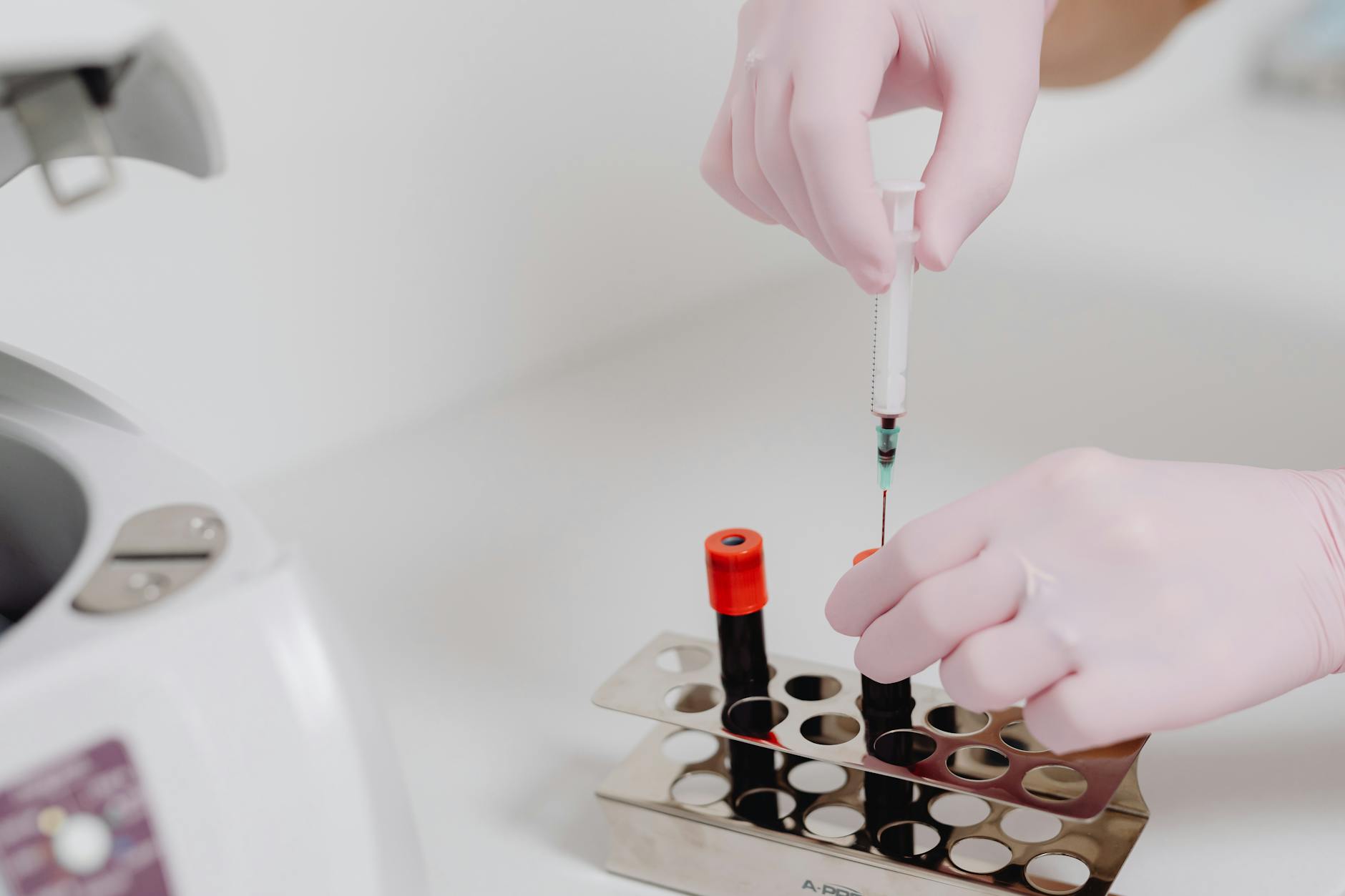
The first test is a fasting insulin which is a early marker for mitochondrial dysfunction. It basically measures how much insulin is in your blood after not eating for 10 to 12 hours and it checks for health problems like diabetes and insulin resistance. High levels of insulin show that your body is not properly using insulin and you need to look into help managing your blood sugar levels through diet, movement, and lifestyle changes.
Another test to request is the C-Reactive Protein which is a great way to show if your body has a lot of inflammation. CRP is a protein that your liver creates. Generally, a health person is going to have low levels of this protein but if you have inflammation, then you are going to have higher levels of CRP. This is your body’s was of protecting tissues and healing. Some types of inflammation are sudden and don’t last very long. However, if you have long term inflammation you could have a chronic infections, an autoimmune disorder, or another disease. Your health care professional will just do a simple blood draw and you will need to let your provider know about supplements or medicines that you might be taking.
The next test to ask for is the Liver Function which uses a sample of your blood to measure several different substances made by the liver. By testing for these substances, the tests can show if your liver is working correctly or if it injured or damaged in some way. Your provider will do a simple blood draw and you may have to fast 10 to 12 hours prior to the draw. Liver health is vital because liver does several different jobs in the human body including detoxing and producing bile which helps with food digestion!
Another test to ask for is the Uric Acid which measures the amount of uric acid in your blood or pee. The acid is a normal waste product that your body makes. Most of this uric acid dissolves into your blood, is filtered out of your blood through the kidneys, and leaves the body through your pee. If there is a build up of this acid, it can cause gout. This basically means that you have needle-shaped crystals in and around your joints which creates painful swelling in your joints. This excess uric acid can also cause kidney stones or even kidney failure. Your provider will either have you take a blood draw or collect your urine for a 24 hour period.
The last test that you should ask your provider for is a Vitamin D level check which simply measures the amount of vitamin D in your blood. This is one of the most important vitamins {which is actually a hormone} in your body and it is essential for healthy bones and teeth along with helps to keep your muscles, nerves, and immune system working properly. You get vitamin D in three different ways: bare skin that is exposed to sunlight (outside time which most of us don’t get enough of), vitamin D from certain foods such as egg yolks an fatty fish but most of the vitamin D is added to foods like cereal and milk, and from vitamin D supplements (this is the one that I use and this one is great as well).
Again, if you are in the optimal levels, you probably feel great! If you are not, then there are several different things that you can do to start fixing your health issues that include working with your nutrition, your daily movement, stress levels, and lifestyle hacks. If you need help with one or all of these, reach out to me to work together here.
 Snow Farms Holistic Wellness
Leave a comment